About Michael E. Ruiz
Michael E. Ruiz: Technology Executive, Architect, and Operator
Michael E. Ruiz builds and governs secure AI, data, and cybersecurity platforms in high-consequence environments — from national security and critical infrastructure to global enterprise technology.
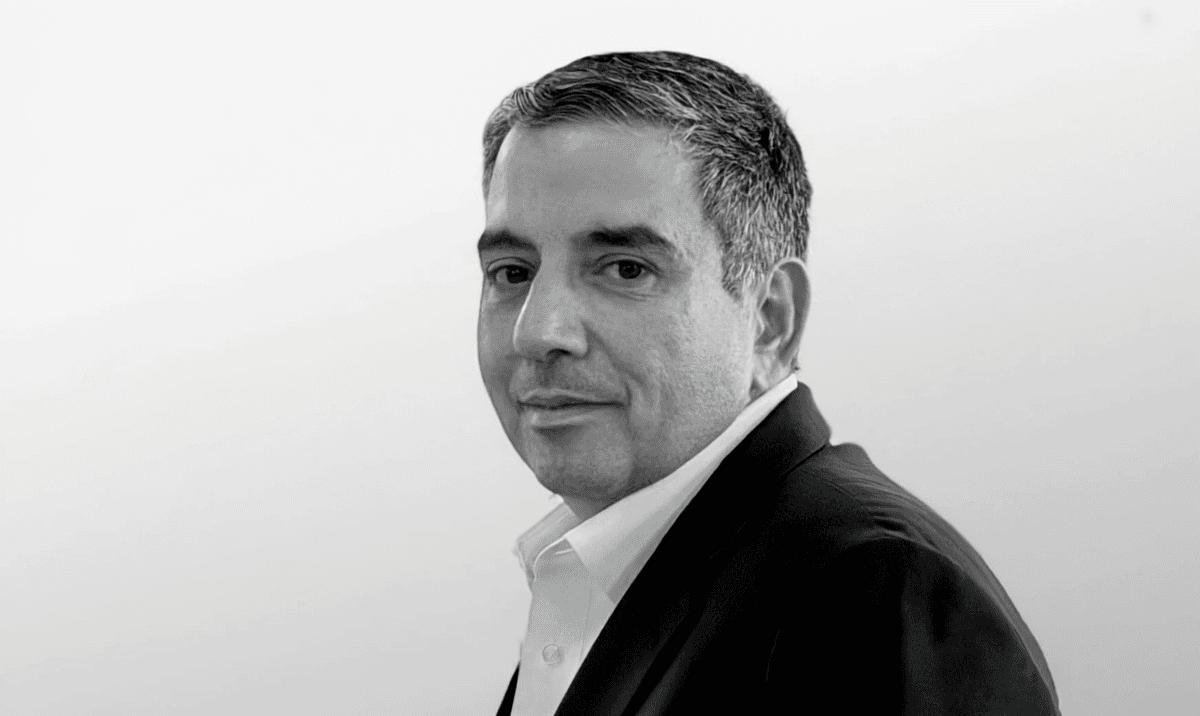
Michael E. Ruiz is a technology executive, architect, and operator who builds and governs the platforms organizations depend on when technology failure carries real consequences. Over more than two decades, he has led technology strategy, product, and business operations across national security, critical infrastructure, healthcare, and global enterprise technology — spanning intelligence and national cybersecurity programs, a $300M cybersecurity business, and large-scale digital and data platforms.
His work sits at the boundary of architecture and execution. He currently serves as chief technology officer and general manager of Critical Services at Plurilock, and has led enterprise and mission architecture for defense and intelligence programs and built and scaled cybersecurity products, managed services, and digital businesses inside organizations including Honeywell, Raytheon, Booz Allen Hamilton, MedStar Health, and Deloitte/BearingPoint.
Today, through his leadership at Plurilock and R2 Advisory, Michael focuses on the architecture, governance, and operating models required to move artificial intelligence from experimentation to trusted execution — work that includes governed agentic systems, secure AI transformation, and the Diamond Model of Consulting, his thesis on how AI restructures professional services. He also teaches at Virginia Commonwealth University.
A Career Built at the Boundary of Strategy and Execution
Michael’s career follows a consistent pattern rather than a single career track. He has repeatedly moved into organizations at the point where strategy and engineering have to be reconciled — where a mission outcome, a business result, and a technical architecture all have to hold together at once.
That pattern shows up across very different environments. In national security and defense, it meant building the intelligence and cyber-analytics capabilities that protect critical infrastructure and inform national decisions. In global enterprise technology, it meant scaling a cybersecurity business from $150M to more than $300M — building the products, managed services, partnerships, and go-to-market capability required to compete at that scale. In healthcare, it meant standing up a $300M digital business inside one of the largest health systems in the mid-Atlantic, built from architecture outward rather than strategy downward.
Across sectors — public and private, regulated and commercial — the constant has been operating where technology failure creates material consequences: financial, operational, or mission consequences that cannot be undone. That is the discipline he now applies to artificial intelligence: treating AI not as a productivity tool to be adopted, but as a system of authority and consequence that has to be architected and governed like any other mission-critical capability.
Current Work
Michael currently serves as CTO and General Manager of Critical Services at Plurilock, leads R2 Advisory, and teaches at Virginia Commonwealth University. At Plurilock, he leads technology strategy and product direction for the Critical Services business unit. Through R2 Advisory, an advisory practice he founded focused on secure AI transformation and agentic governance, he advises technology and mission leaders on secure AI architecture and researches how AI-native operating models will change technology leadership and professional services. The two roles are complementary, not sequential — R2 Advisory did not replace his leadership at Plurilock. See Current Work for how this applies specifically to governed agentic systems, secure AI architecture, and AI-native operating models.
Alongside this work, Michael publishes ongoing research and essays — including the Diamond Model of Consulting, a structural thesis on how artificial intelligence is reshaping the economics and organization of consulting and professional services.
Areas of Expertise
Secure AI & Agentic Systems
Architecture and governance for AI systems given bounded authority to act — including agent authority models, runtime control, and human oversight.
Cybersecurity & Critical Infrastructure
Products, managed services, and operational technology security for critical infrastructure and industrial environments.
Data & Enterprise Platforms
Enterprise data architecture, platform engineering, and analytics capabilities built for scale and governance.
Technology Business & Product Leadership
P&L, product strategy, and go-to-market leadership for technology and cybersecurity businesses, from startup to public-company scale.
National-Security & Mission Architecture
Enterprise and mission architecture supporting defense, intelligence, and homeland-security programs.
AI-Native Operating Models
Organizational and operating structures designed for AI from the ground up, for enterprise and mission organizations alike.
Enterprise Transformation
Business-model, delivery, and organizational change for technology and professional-services organizations entering the AI era.
Recognition
- Top 100 Chief Digital Officers — HOTTOPICS.HT (2016)
- Intelligence reports included in Presidential Daily Briefings and National Security Advisor briefings (1998–1999)
- NSA Commendation — National Security Agency (SIGINT production excellence)
- Joint Service Achievement Medal — U.S. Army
- Information Systems Advisory Board — VCU School of Business
Profiles & Affiliations
- R2 Advisory
- Virginia Commonwealth University [VCU profile / faculty page URL to be added]
- GitHub [GitHub profile URL to be added, if applicable]
- Published Writing
- Speaking